
The Big Beautiful Bill’s Graduate Loan Limits Go into Effect
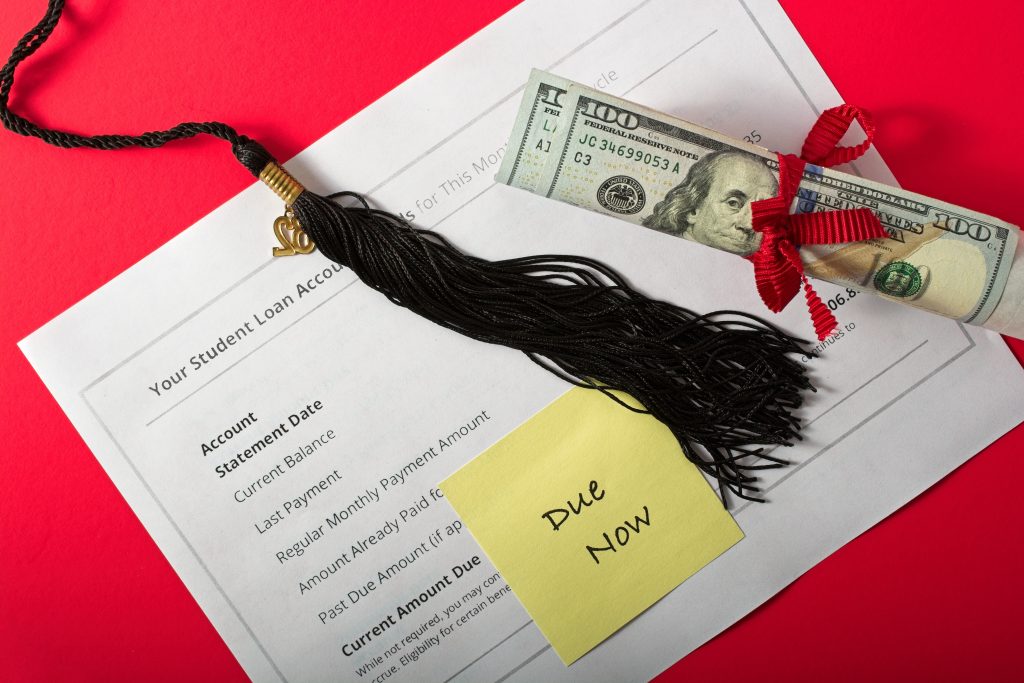
The One Big Beautiful Bill Act (OBBBA) of 2025 included limits on federal student loans. The OBBBA eliminated the issuance of new Federal Direct Graduate PLUS loans effective July 1, 2026, and restored annual caps on other federal loans to graduate students. The changes in student loans will save an estimated $307 billion over 10 years, and are intended to restrain tuition increases, reduce the amount of interest over time on student debt, and make institutions of higher education more accountable for improving student performance. The Higher Education Amendments of 1992, which created the Federal Direct Student Loan Program, allowed graduate students could borrow up to $18,500 per academic year in Federal Direct Loans, known as Stafford loans. However, as graduate school tuition sharply rose during the late 1990s and early 2000s, the $18,500 Stafford loan limit became insufficient to cover the total cost of attendance at many institutions.
On February 8, 2006, President George W. Bush signed the Higher Education Reconciliation Act of 2005 as part of the Deficit Reduction Act, which raised the annual Stafford loan limit for graduate students to $20,500 effective July 1, 2007 and launched the Federal Direct Graduate PLUS Loan Program (PLUS) to issue loans in excess of the Stafford cap. Students could first borrow up to $20,500 in Stafford loans and then borrow any remaining balance from PLUS. But these lending programs have failed to make graduate school more affordable or federal higher education spending more efficient.
Lending to graduate students made up 47 percent of all federal student loans in the 2021-22 school year, the highest share in history, according to an August 2023 Department of Education report, “even though graduate borrowers accounted for only 21 percent of all borrowers.” A May 2023 National Bureau of Economic Research study of Texas students found that since the introduction of PLUS, tuition has increased by 64 cents for every dollar borrowed in student loans. A November 13, 2025, Education Data Initiative analysis found that debt for graduate degree holders more than doubled from $43,680 in 2007-08 to $95,100 in 2025-26, with an average PLUS balance of $66,222. In the 2006-07 academic year, its first year of operation, PLUS distributed $1.99 billion in direct loans among 127,000 borrowers who made up 7.1 percent of all U.S. graduate students. In 2024-25, it loaned $15.51 billion to 454,000 borrowers who made up more than 20 percent of the nation’s graduate students.
The OBBBA eliminated PLUS, leaving the Stafford program with its $20,500 per year cap on loans to graduate students pursuing non-professional degrees as the sole remaining federal direct graduate loan program and imposed a new $100,000 aggregate lifetime limit on these loans. However, students pursuing professional degrees are now permitted to borrow up to $50,000 per year in Stafford loans with an aggregate limit of $200,000. The law also imposed a lifetime aggregate federal student loan limit on subsidized and unsubsidized, undergraduate and graduate, direct and federally guaranteed private loans of $257,500. Professional degree programs under the law include postbaccalaureate courses resulting in certifications to practice medicine, optometry, law, divinity, and other disciplines.
The law applies only to borrowers who take out loans on or after July 1, 2026, exempting pre-existing borrowers from annual borrowing limits for up to three academic years provided they remain enrolled at least half-time in their current degree program and institution. By eliminating PLUS loans and restoring federal student lending caps, OBBBA will curb tuition inflation and shrink the federal footprint in higher education.
— Ethan Blanchard and Alec Mena
