
Permitting Reform Is Key to BEAD Success
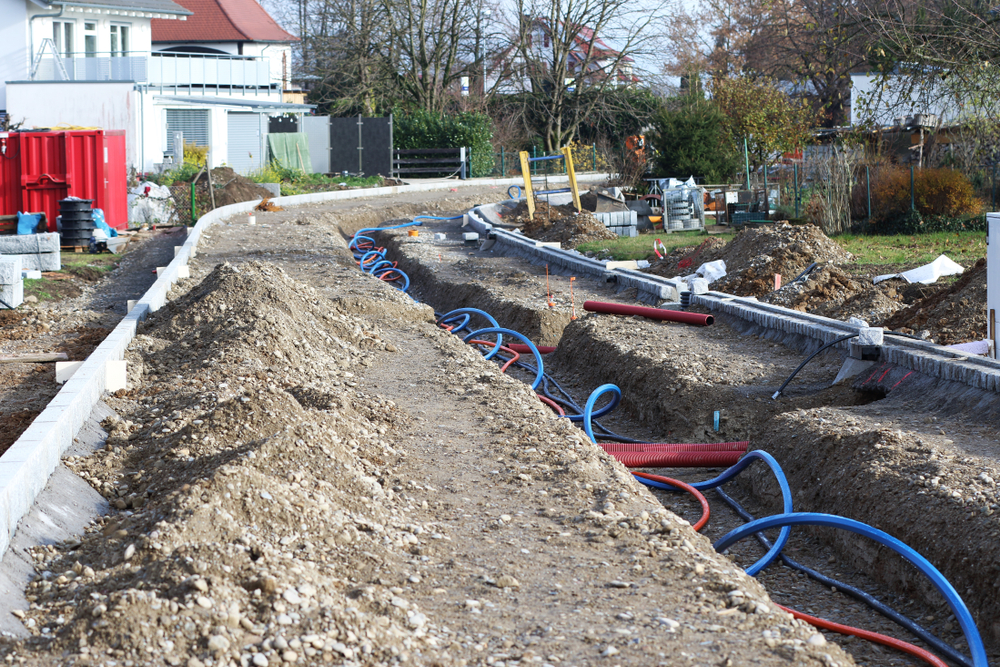
Funding is heading to the states from the National Telecommunications and Information Administration (NTIA) for the Broadband Equity Access and Deployment (BEAD) program. The expeditious and efficient use of these funds to connect unserved and underserved areas of the country depends on state and local governments ensuring that the permitting process does not impede or delay deployment.
An August 5, 2026, report from the Advanced Communications Law and Policy Institute (ACLP) found that more than half of the BEAD projects will “require more than 10 permits, and 1 in 7 will require more than 20.” ALCP reviewed 2,942,440 funded locations across 3,783 terrestrial projects. The report unveiled 126 federal, state, and local permitting layers that must be navigated to ensure projects can move forward. A typical build must navigate an average of eight different permitting authorities that can delay a build. In addition, ACLP found 71 percent of the projects must engage in private/third-party negotiations that include not only private individuals, but also roads, railroads, pipeline operators, and electric utilities.
Citizens Against Government Waste has long been concerned that burdensome, duplicative, extraneous permitting processes could delay deployment in areas receiving federal BEAD dollars. Localities should streamline their processes by creating clear timelines, including a uniform electronic filing of permit applications, implementing “shot clocks” for each stage of a permit application, getting rid of redundant inspections of the infrastructure, and implementing transparent, consistent guidelines to make it easier for providers to efficiently navigate the permitting landscape.
Permitting reform is essential to reduce the timeline for building broadband connections to reach the unserved and underserved communities across the country and would help with other infrastructure projects as well.
