
The Costly Consequences of Telecommunications Equipment Theft
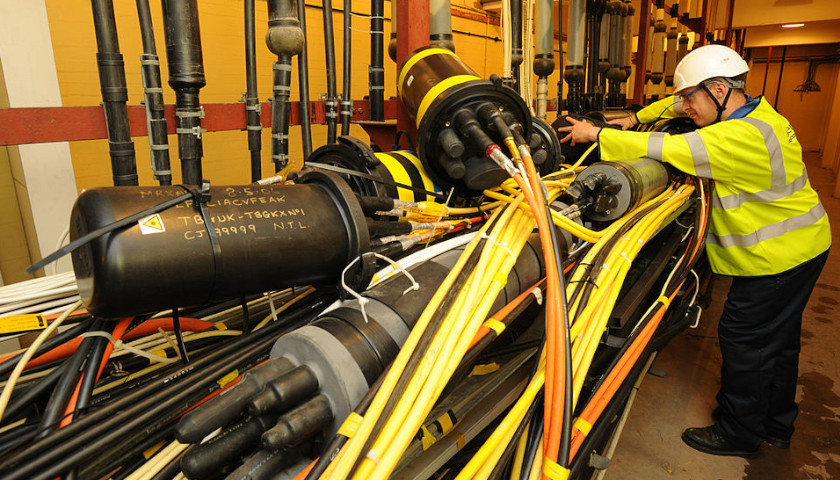
The most noticeable results of stealing copper wire and other telecommunications equipment are the physical evidence of the theft and the loss of connections for businesses and consumers to telecommunications networks. But the impact is far more pervasive and often dire, as noted in two reports released during the June 4, 2026, Telecom Industry Summit: Protecting Critical Communications Infrastructure.
The first report, based on data from telecommunications providers, revealed that in 2025, there were 18,327 nationwide incidents of theft and vandalism, which is an average of 1,527 per month and 50 per day, that impacted more than 11.8 million customers. The crimes, which are mostly motivated by the perceived value of copper wire, increased by 59 percent over 2024. California and Texas accounted for 8,275, or 47.6 percent of the 18,327 incidents. There were 1,131 attacks on networks in Los Angeles, 53 percent greater than the 532 attacks in Houston, the second hardest-hit city.
The second report released at the summit was an addendum to a report by Dr. Edward J. Lopez, Ph.D., The Real Costs of Communications Outages due to Infrastructure Theft or Vandalism. He found that the 2025 service disruptions cost “up to $1.47 billion in foregone economic gain, which again far exceeds the replacement value of stolen or damaged equipment.” He noted that, “Even under lower assumptions about asymmetric loss and network diseconomies, these real costs range from $294 to $735 million in foregone economic value.”
The far-reaching consequences of copper theft and vandalism against the nation’s communications networks impact industries beyond those directly affected by the cost of replacement, including aviation, healthcare, manufacturing, and transportation. It also impacts consumers when their service is damaged or cut off by the vandals.
The loss of these services, even though temporary, can often mean the difference between life and death for those who rely on the networks during emergency situations, or when their medical devices rely on always on electricity to operate. Cracking down on these vandals is one step in the right direction, but also hardening the grid and equipment to make it harder for miscreants to steal copper from our nation’s critical infrastructure by exchanging the copper wires with a more resilient replacement is critical.
