
The Army Revives and Expands Savings Efforts
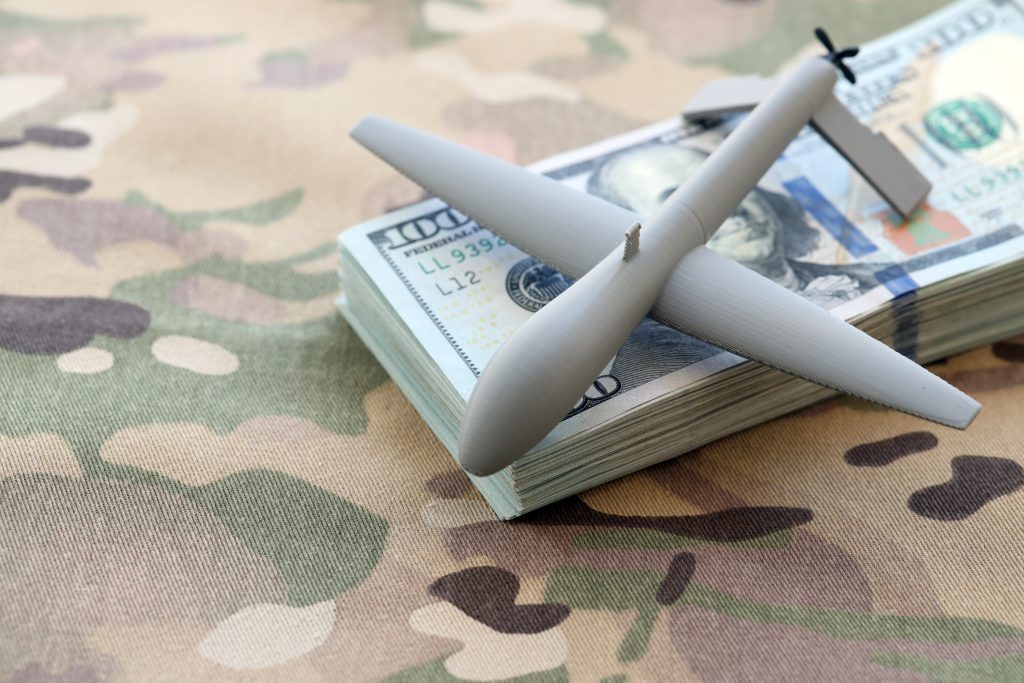
The Department of the Army has revived a successful cost-saving program from the first Trump Administration and created a new initiative to improve its supply chain.
The savings plan was established in 2018 by then-Army Secretary Mark Esper and then-Army Chief of Staff General Mark Milley, who met at the end of the day in a “night court” review of Army programs to identify where money could be saved and used for more productive purposes. The effort identified approximately $25 billion that could be better applied to the Army’s modernization efforts.
According to an October 12, 2026, Defense One article, the Army reopened night court in the summer of 2026. The first review covered science and technology programs and found approximately $100 million that could be repurposed for better use. The night court team will next review foreign military sales and sustainment, where it will consider programs that could be canceled and whether doing more maintenance in-house could save money.
In addition to the return of night court, Acting Army Secretary Adam Telle announced on October 12, 2026, that the Army would hold a “Manufacturing Rodeo” in 2027 to “stress-test the supply chain, the manufacturing processes, and see where it breaks.” Secretary Telle cited the need to “make millions” of one-way attack drones, a particular area of concern because much of the supply chain is linked to China.
The Government Accountability Office (GAO) has detailed many supply chain breaking points, including limited visibility into where DOD’s goods are manufactured. A July 24, 2025, GAO report recommended that the Pentagon identify resources, priorities, and time frames for integrating and sharing supply chain information across DOD and identify the potential benefits and challenges of obtaining country-of-origin information from contractors. The “rodeo” includes the identification of new and innovative companies that can fill gaps in the supply chain.
The Army’s efforts to identify inefficiencies in programs and the supply chain are laudable and should be emulated by the other military services. Every dollar saved can be used to enhance national security and fulfill the Department of Defense’s mission.
by Ritish Kodali
