
Taxpayers Win Big When the IRS Cannot File Their Taxes for Them
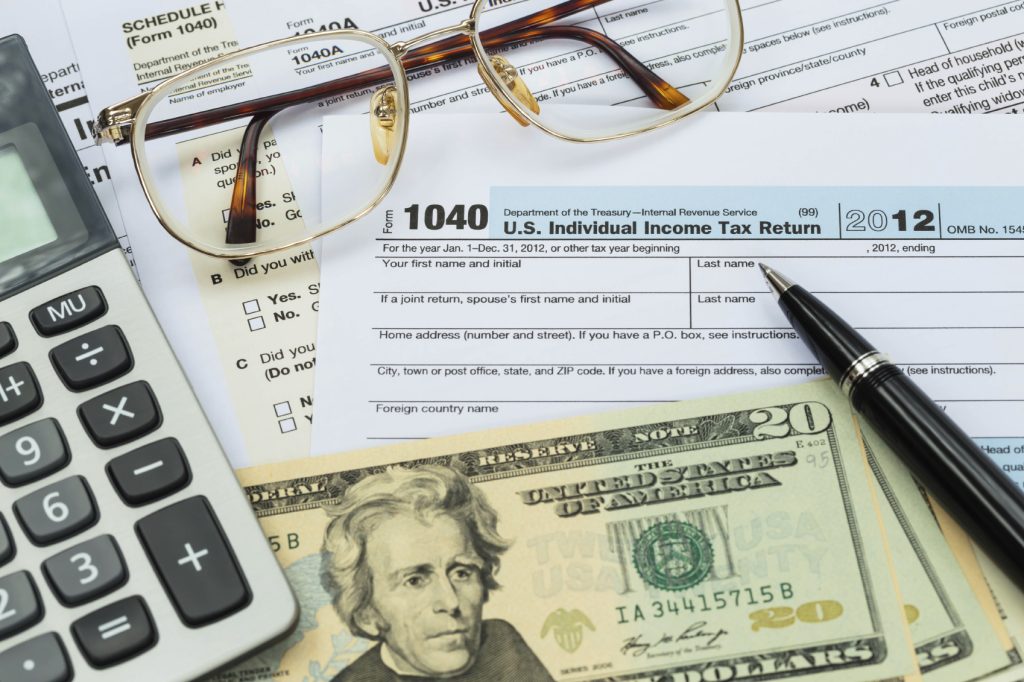
The One Big Beautiful Bill Act (OBBA), which extended and enhanced the 2017 Tax Cuts and Jobs Act, included other significant benefits to taxpayers, including the termination of a disastrous software program at the Internal Revenue Service (IRS).
Citizens Against Government Waste raised the alarm for many years over the idea of allowing the IRS to file taxes for taxpayers with its own software, including naming a supportive senator twice as Porker of the Month. This nightmare scenario became a reality when the Inflation Reduction Act provided the IRS with $15 million for a study to determine how and if the agency could develop such software. The IRS, rather than following the IRA and reviewing its options based on programs that already existed in the private marketplace, went rogue and developed and deployed its own software program called DirectFile.
The IRS claimed that its flouting of the IRA was appropriate because a “survey” demonstrated support for having the agency provide software services. However, an October 2, 2023 Treasury Inspector General for Tax Administration (TIGTA) report noted defects in both the design and results of the survey, including the failure to use a five-point scale that would include a neutral choice to support or oppose the new system. This only gave respondents a choice of “yes” or “no” rather than “no opinion.” TIGTA also reported that, “the survey prompt may have led taxpayers to believe that the tool would have more options than it will immediately have available, such as the ability to file State tax returns.”
DirectFile was not only non-statutory but also competed with the FreeFile program, a successful public-private partnership between the IRS and private sector tax preparation services.
Only taxpayers know just how much they owe in taxes. While the IRS maintains a lot of taxpayer information, whether someone got married, had children, changed jobs, began withdrawing from their retirement funds, bought or sold a home, or made charitable contributions are a few of the fluctuations in a person’s life that would not be known to the IRS if the agency was allowed to pre-determine a taxpayer’s income and tax liability based on the prior year’s tax return or any other estimate.
Enabling taxpayers to file using the program or tax filing service they want and not forcing them to fund a program that the IRS was not supposed to create is a big win for taxpayers. With additional OBBBA provisions like no taxes on tips and new deductions for seniors, taxpayers can anticipate lower taxes, higher refunds, more money in their pockets, and less of their hard-earned money going to waste in Washington, D.C.
