
Congress’s Efforts to Curb Wasteful Spending Are Underway
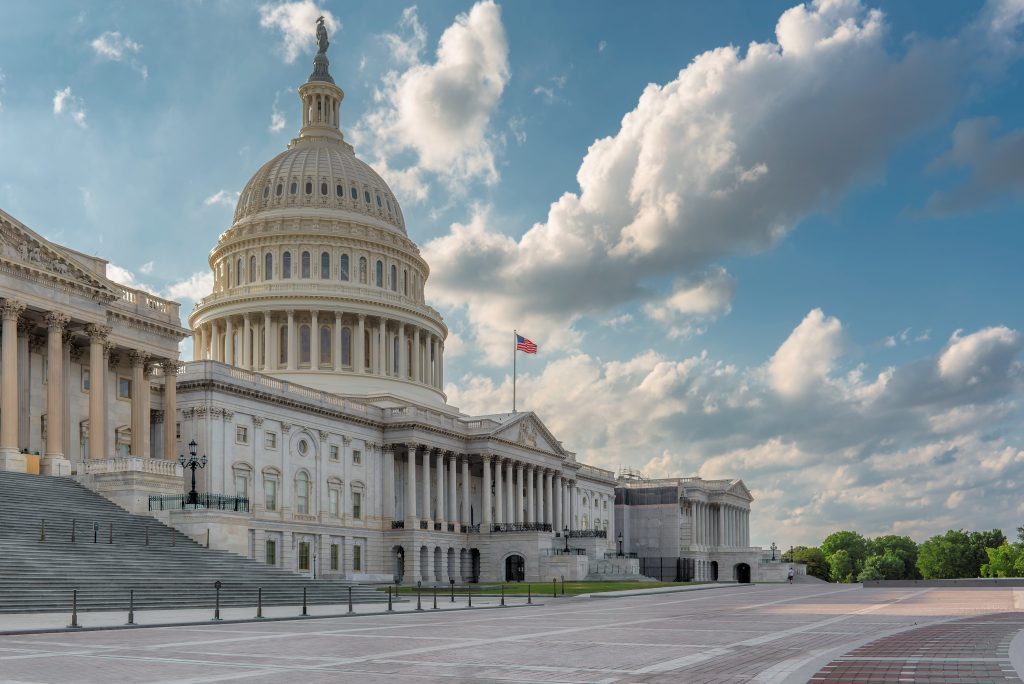
Adding to the success of President Trump’s Anti-Fraud Task Force, the House of Representatives passed eight bills that would increase the ability of federal agencies to uncover and prosecute fraud and wasteful spending.
On June 8, 2026, the House passed three bills to help prevent fraud. H.R. 6916, the Federal Program Integrity and Fraud Prevention Act, introduced by Rep. Keith Self (R-Texas), would temporarily prohibit federal grant disbursements to the individuals previously convicted of specific fraud-related felonies. H.R. 428, the Bonuses for Cost-Cutters and Fraud Preventers Act, introduced by Rep. Chuck Fleischmann (R-Tenn.), would provide further incentives for federal employees to report instances of government waste, fraud, and mismanagement. H.R. 8428, the Federal Fraud Prevention Workforce Training Act, introduced by Rep. Glenn Grothman (R-Wis.), would create a new anti-fraud training program for federal employees.
Five more anti-fraud bills were passed on June 10, 2026, including several that targeted improper payments. H.R. 7892, the No Aid for Ghost Students Act, introduced by Rep. Burgess Owens (R-Utah), would establish an identity fraud detection system for the Free Application for Federal Student Aid. H.R. 8312, the Fraud Prevention and Accountability Act, introduced by Rep. Pete Sessions (R-Texas), would give the Department of the Treasury more authority to prevent and prosecute fraud. H.R. 8464, the Stopping Fraudulent Payments Act, introduced by Rep. James Comer (R-Ky.), would give federal agencies the authority to stop the payment of a voucher if an agency believes the payment elevates the risk of fraud or improper payments. H.R. 8467, the Zeroing Out Monetary Benefits Improperly Expended Act, introduced by Rep. Gary Palmer (R-Ala.), would modify the assessment, tracking, and reporting procedures for improper payments. H.R. 8466, the Taxpayer Resources Used in Emergencies Accountability Act, introduced by Rep. Andy Biggs (R-Ariz.), would establish preventive measures against fraud and improper payments related to federal emergency spending.
The legislation passed by the House indicates that members are serious about eliminating waste, fraud, abuse, and mismanagement. To continue these efforts, Congress should address more systemic issues, including a balanced budget amendment, fixing the 340B Drug Discount Program, and eliminating the wasteful and unsuccessful Center for Medicare and Medicaid Innovation. While one “anti-waste” week on Capitol Hill is a good start, every week in Washington, D.C., should be a week fighting against government waste, fraud, and abuse.
